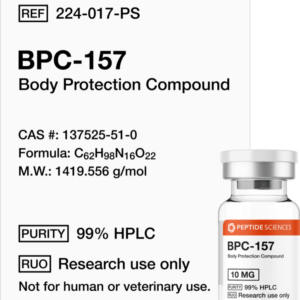
BPC-157 Research Peptide for Laboratory Investigation
BPC-157 research peptide is a synthetic compound supplied for controlled laboratory investigation. Peptide Lab Sciences presents this material within its research catalogue for customers assessing compounds for scientific and analytical work. Before ordering, review the selected product, its stated quantity and any available supporting documentation to establish whether the material meets your project requirements.
Choosing an experimental material involves more than recognising a compound name. Researchers need to connect the product specification with the question they intend to investigate, the methods they will use and the records their laboratory requires. This page explains the main considerations involved in reviewing the compound, interpreting published studies and preparing a documented purchasing decision.
The BPC-157 research peptide listing should be assessed alongside the specification for the exact item selected. Do not infer a vial quantity, formulation or analytical result from another listing with a similar name. Where essential information is missing, request clarification before placing an order.
All materials described here are offered for laboratory research. They are not intended for human or veterinary use, consumption or personal administration.
Understanding the Compound Name
BPC-157 is described in the scientific literature as a pentadecapeptide, meaning a peptide containing fifteen amino-acid residues. The name identifies the compound discussed in research publications, but it does not describe every characteristic of a particular commercial preparation.
For example, a compound name alone does not establish the supplied quantity, physical format, counterion, purity result or storage specification. Those details belong to the individual material specification and its supporting records. Researchers should distinguish the general scientific identity from the characteristics of the product they are considering.
When reviewing BPC-157 research peptide, begin with the complete product name and any listed identifiers. Compare these with your laboratory’s procurement request and the material described in the relevant study. If the information is insufficient to establish a match, contact the supplier with a specific question rather than assuming equivalence.
BPC-157 Research Peptide Specifications
The most useful specification is one that describes the selected material clearly enough for a laboratory to evaluate it against its own requirements. Review the product information before deciding whether to proceed.
| Specification item | Information to review |
|---|---|
| Compound name | BPC-157 |
| General compound type | Synthetic pentadecapeptide |
| Supplied quantity | Check the exact selected product |
| Physical format | Confirm the stated presentation |
| Formulation | Review any listed additional constituents |
| Analytical documentation | Examine available reports and their scope |
| Batch identification | Match documentation to the supplied batch where available |
| Storage | Follow the applicable product specification |
| Intended use | Laboratory research only |
A BPC-157 research peptide specification should be read as a complete set of information. A quantity statement cannot replace an identity assessment, and a report for one batch cannot automatically describe another. Keep a copy of the information used to approve your purchase so that colleagues can understand the basis of the decision.
What Published Research Can Explain
Scientific publications can help researchers identify experimental questions, compare methods and understand how a compound has been investigated. They can also reveal limitations that would be easy to overlook in a short product summary.
Published work concerning BPC-157 research peptide includes preclinical investigation involving tendon cells and tissue responses. These studies provide context for laboratory research, but their findings must be interpreted within the models and conditions reported by their authors.
A paper does not certify the identity or performance of a product sold by a separate supplier. Nor does the presence of a compound in a publication establish that every preparation carrying its name will behave identically. Use literature to inform scientific assessment, then evaluate the actual material through the documentation and acceptance procedures appropriate to your laboratory.
Tendon-Cell Research and Experimental Findings
One published investigation examined tendon outgrowth, cell survival and cell migration in relation to BPC-157. The authors also explored a possible role for FAK-paxillin signalling in the observed responses. These findings belong to the experimental systems described in the paper.
Researchers interested in BPC-157 research peptide can use this publication as a starting point for examining how the study was designed. The useful questions include what material was investigated, which measurements were taken and what controls supported the interpretation.
Read the original tendon outgrowth and cell migration study for the authors’ methods and findings.
This research context does not establish a personal treatment application or certify the suitability of the material offered on this page.
Receptor-Expression Research
Another study investigated growth hormone receptor expression in tendon fibroblasts following exposure to BPC-157. The researchers reported changes in receptor-related messenger RNA and protein measurements within their experimental model.
When assessing BPC-157 research peptide literature, distinguish a measured cellular endpoint from a broader claim about an organism. A change in receptor expression is a specific observation. Its interpretation depends on the model, the measurements and the scope of the experiment.
The original tendon fibroblast receptor-expression study provides the source material for reviewing this work.
Reading the original publication allows a research team to separate the reported evidence from assumptions that may appear in abbreviated descriptions elsewhere.
Assessing Whether a Study Fits Your Project
A relevant publication should help answer a question your laboratory actually needs to investigate. Similar terminology alone is insufficient. Compare the study’s material, experimental system and measured endpoints with your proposed work before treating it as a useful reference.
Create a short literature record containing the paper title, publication identifier, model and principal limitations. Note any differences between the study material and the product specification available to you. This makes uncertainty visible before it becomes part of an experimental assumption.
The role of BPC-157 research peptide in your project should follow from that assessment. A laboratory may decide that the available evidence supports further review, requires additional documentation or does not match the intended question. Each conclusion is more useful when its reasoning is recorded clearly.
Comparing Individual Materials and Blends
An individual compound listing and a multi-component blend describe different purchasing options. A blend may contain several named substances in specified proportions, while an individual listing centres on one named research material.
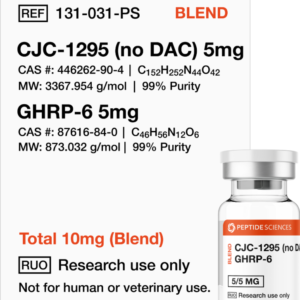
When comparing BPC-157 research peptide with a blend containing the compound, review every constituent and the amount attributed to each. The total quantity of a blend should not be interpreted as the quantity of every component. A similar total mass does not make two formulations equivalent.
You can explore the peptide blends catalogue to review separately listed combinations. Select a formulation only after determining whether its composition fits your experimental design. If a constituent amount is unclear, obtain clarification before making the comparison or placing an order.
Reading Quantity and Format Information
A stated quantity describes an aspect of the supplied material. It does not establish an experimental concentration, analytical purity or appropriate method of use. Keep these concepts separate when reviewing product options.
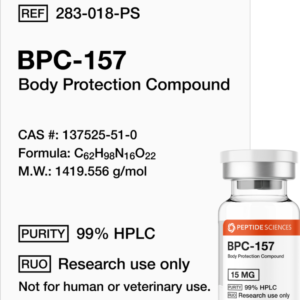
For BPC-157 research peptide, check whether the quantity shown applies to one container, a selected variation or a complete package. If more than one option appears on a listing, confirm the exact selection in the basket before proceeding.
The physical format also needs to match the information reviewed during procurement. Do not assume that a photograph alone establishes the supplied presentation. Product images may not provide every detail needed for a scientific purchasing decision.
Resolve discrepancies between the title, variation, description and order summary before purchase so that the laboratory receives the item it intended to request.
BPC-157 Research Peptide Documentation
Documentation provides the link between a general catalogue description and the particular material under review. Depending on what is available, this may include a product specification, analytical report, batch identifier or relevant handling information.
For BPC-157 research peptide, assess what each document actually establishes. Identify the named material, the sample or batch reference, the tests reported and any stated limitations. If a document does not identify the relevant batch, do not assume that it provides batch-specific evidence.
The quality control page is a starting point for reviewing information made available by Peptide Lab Sciences. Contact the team if your laboratory needs a document that is not displayed. Availability should be confirmed before it becomes a condition of an internal purchase approval.
Understanding the Scope of an Analytical Report
An analytical report answers the questions addressed by its methods and results. Its usefulness depends on how well those questions match the requirements of the receiving laboratory.
Avoid treating a single figure or short label as a complete description of a material. Read the surrounding information, including the sample reference and the basis of the reported result. Where the interpretation matters to your project, have the report reviewed by an appropriately qualified colleague.
A BPC-157 research peptide report should be evaluated for its relevance to the exact item and batch being considered. If the connection is unclear, ask for clarification. Record the response with the original document so that the purchasing decision remains understandable when another team member reviews it later.
Batch Identification and Traceability
Traceability helps a laboratory connect a purchase with the material received and the experiments in which it was used. The details required will depend on the laboratory’s own procedures, but consistency is valuable throughout the process.
For BPC-157 research peptide, retain the order reference, product name, selected quantity and any available batch identifier. Store supporting documentation where the research team can retrieve it alongside the relevant project records.
If the laboratory orders the same named compound again, review the new delivery as a separate receipt. Compare the new information with the previous record and document any differences that could matter to the project.
This approach makes it easier to investigate questions about a particular container or experiment without relying on memory or an old screenshot of a product page.
Choosing Research Materials for a Defined Purpose
Start with a clear statement of what your project requires from the material. That statement might concern identity, format, documentation or another specification established by the research team.
Reviewing BPC-157 research peptide against written requirements gives procurement staff and researchers a shared basis for deciding whether an item is suitable. It also helps prevent a familiar name from becoming the only reason for a purchase.
Browse the individual research peptides catalogue when comparing available listings. Keep the comparison focused on the characteristics relevant to your work.
A product can be well described yet unsuitable for a particular project. The purpose of the review is to identify that fit before ordering, using the information available and any clarification your team obtains.
Preparing a Laboratory Purchasing Request
A useful purchasing request gives the person placing the order enough information to select the intended item without interpreting an informal description. Include the complete product name, required quantity and the specific listing being considered.
For BPC-157 research peptide, add any documentation requirements that must be satisfied before approval. If a particular detail remains unresolved, mark it clearly instead of allowing it to disappear into an email thread.
The request should also identify the receiving contact and the location responsible for accepting the delivery. Laboratories with internal purchasing rules should complete the relevant review before submitting an order.
Keep a copy of the approved request with the order confirmation. This provides a straightforward record of what was requested, what was selected and who can answer questions when the material arrives.
Questions to Resolve Before Ordering
Specific questions tend to produce more useful answers than a general request for reassurance. Identify the missing detail and explain which aspect of your purchasing review it affects.
For example, you may need to confirm the quantity associated with a selected option, whether supporting documentation is available or which information applies to the batch offered. Your laboratory may also need clarification about the stated physical format.
When enquiring about BPC-157 research peptide, include the product page and the selected option if one is shown. This reduces the chance of receiving information about a different listing with a similar name.
Use the contact page for product, documentation and order enquiries. Resolve essential specification questions before completing the purchase.
Reviewing the Basket and Delivery Information
Before checkout, compare the basket with the approved purchasing request. Check the product name, selected option, number of items and delivery address. Small selection errors are easier to correct before an order is submitted.
When ordering BPC-157 research peptide, review the delivery services and charges presented for your address. Use the information shown during checkout to plan receipt, and contact the supplier if the available information does not answer a necessary delivery question.
Avoid building a project timetable around an assumption about dispatch or arrival. The receiving team should know what has been ordered and who is responsible for checking it.
Retain the confirmation and any subsequent order correspondence together so that the laboratory can follow up using a consistent reference.
Receiving BPC-157 Research Peptide
On receipt, compare the delivered item with the order record and the information used during purchasing. Check the product identification, stated quantity and available batch details before entering the material into laboratory inventory.
If the BPC-157 research peptide label or accompanying documents differ from the approved request, follow your laboratory’s procedure for resolving discrepancies. Record the question and contact the supplier with the relevant order details.
Assign the material to the responsible team and retain its supporting information in an accessible location. If several colleagues may use the inventory system, choose a clear description that distinguishes this item from other products with similar names.
Receipt is also a useful point to confirm that the handling and storage information needed by the laboratory is available.
Storage and Handling Information
Use the storage and handling information applicable to the supplied product, together with your laboratory’s approved procedures. Avoid substituting a general online recommendation for the specification of the material received.
Before handling BPC-157 research peptide, ensure that the responsible personnel can access the relevant information. Questions about a missing instruction or an unclear label should be resolved through the laboratory’s established review process.
Record receipt and subsequent handling as required by your procedures. If the material is transferred internally, preserve the connection between its identity, inventory record and supporting documents.
This page does not provide a universal storage temperature, preparation method or shelf-life claim. Those details should come from appropriate product-specific evidence and the laboratory’s assessment of its intended work.
Keeping Experimental Records Consistent
A clear experimental record allows another researcher to understand which material was used and how it was identified. Establish the naming convention before data collection so that notebooks, inventory entries and analysis files remain consistent.
Where BPC-157 research peptide appears in a project record, connect it to the laboratory’s material identifier and any relevant batch information. This is more useful than relying on a compound name alone when several purchases or containers exist.
Document changes to the material source or specification when they occur. If the research team decides that a difference does not affect the project, record the basis of that judgement.
Consistent records support later review and help the team answer practical questions about the relationship between a purchase, a stored item and a particular experiment.
Responsible Interpretation and Research Use
BPC-157 research peptide is presented here as a laboratory material. References to published investigations describe scientific context and should be read within the limitations of the original work.
The product is not offered with instructions for personal dosing, injection or self-experimentation. Researchers remain responsible for establishing whether their intended work is appropriate and for following the requirements applicable to their laboratory.
A useful assessment keeps three questions separate: what the literature reports, what the supplied material documentation establishes and what the proposed experiment requires. Evidence addressing one of those questions does not automatically answer the others.
Review all three before proceeding. Where uncertainty remains, define it clearly and seek the information needed to make a documented decision.
Frequently Asked Questions
1. What Is BPC-157 Research Peptide?
BPC-157 research peptide is a synthetic pentadecapeptide considered for laboratory investigation. Scientific publications have examined the compound in preclinical experimental systems, including tendon-cell research. The product specification should be reviewed separately from those publications because a study does not establish the characteristics of a particular commercial batch.
2. What Does Pentadecapeptide Mean?
Pentadecapeptide means that the peptide contains fifteen amino-acid residues. The term describes chain length. It does not specify the supplied quantity, physical presentation or analytical findings for a product. Researchers need the individual material information to assess those characteristics and compare them with their project requirements.
3. Which Quantity Does This Listing Supply?
Check the stated quantity for the exact product or selected option before ordering. Do not infer it from another page carrying the same compound name. If the listing does not make the amount clear enough for your purchasing request, contact Peptide Lab Sciences and obtain clarification before proceeding.
4. Is This the Same as a Blend Containing BPC-157?
An individual listing and a blend have different formulation information. A blend may include several constituents in specified amounts. Compare the complete composition, rather than the name or total mass alone. The amount attributed to BPC-157 in a blend may differ from the blend’s total stated quantity.
5. Does Every BPC-157 Research Peptide Order Include a Certificate?
Do not assume that a certificate accompanies every order. Review the documentation displayed or ask what is available for the material being offered. If your laboratory requires a particular document before purchase, confirm its availability and relevance to the supplied item as part of the procurement review.
6. Can a Published Study Verify This Product?
A publication describes the material and methods used by its authors. It does not independently verify a separate supplier’s product. Use scientific literature to understand the research context, and assess the actual product through its specification, available documentation and your laboratory’s own material acceptance procedures.
7. How Should I Compare Different Listings?
Compare the complete identity, selected quantity, physical format, formulation and supporting information. If two listings share a name, determine what distinguishes them before choosing. A price difference or similar photograph does not provide enough information to establish whether they are equivalent for your intended work.
8. Is BPC-157 Research Peptide Intended for Human Use?
No. This listing is for laboratory research material and does not provide a basis for personal administration. It is not intended for human or veterinary use, consumption or self-experimentation. The scientific information on this page should not be interpreted as personal treatment guidance.
9. Where Can I Read the Scientific Studies?
The research sections above link to original publications indexed by PubMed. Begin with the study description and examine the full methods where available. Pay particular attention to the experimental model, material and limitations before deciding whether a publication is relevant to the question your laboratory intends to investigate.
10. What Should I Record When the Material Arrives?
Record the product identification, quantity, order reference and available batch information in accordance with your laboratory procedures. Compare the delivery with the approved purchasing request. Retain relevant documents where the research team can retrieve them and resolve any discrepancies before accepting the material for its intended work.
11. How Should BPC-157 Research Peptide Be Stored?
Follow the information applicable to the supplied material and your laboratory’s approved procedures. Storage requirements should not be inferred from another supplier’s page or a different formulation. If the necessary information is missing or unclear, request clarification and refer the question to the responsible laboratory personnel.
12. Can I Request Further Product Information?
Yes. Contact Peptide Lab Sciences with the product page, selected option and a clear description of the information required. Specific questions about quantity, format or documentation help identify the relevant issue. Resolve requirements essential to your project before submitting an order.
13. Can I Use an Older Report for a New Purchase?
Review whether the report applies to the new material. A document associated with an earlier purchase may describe a different batch. Preserve the original report with its corresponding record and assess newly supplied information separately, using the acceptance requirements established by your laboratory.
14. What If the Label Differs from My Order?
Document the discrepancy and contact the supplier using the order reference. Follow your laboratory’s receiving procedure while the issue is reviewed. Avoid resolving a difference through an assumption based on the product name or appearance. Keep the clarification with the purchasing and inventory records.
15. How Do I Decide Whether the Material Fits My Project?
Compare the product specification with the requirements agreed by your research team. Review relevant literature, identify missing information and obtain any necessary clarification. Suitability is a project-specific judgement: the presence of a familiar compound name in a catalogue or paper does not complete that assessment.
Review the Product Before Ordering
Review BPC-157 research peptide with a clear purchasing objective: identify the selected material, establish what the available information supports and confirm whether it meets your laboratory’s requirements.
Use the product specification alongside the research context and documentation discussed above. Check the selected quantity, confirm essential details and retain the information that supports your decision. If a question remains unresolved, contact Peptide Lab Sciences before proceeding.
Explore the research catalogue to compare individual materials and separately listed blends. Choose the item that matches your approved request, then review the basket and delivery details before completing the order.
For laboratory research only. Not for human or veterinary use. Not for consumption or personal administration.
Reviews
There are no reviews yet.